

Advisory
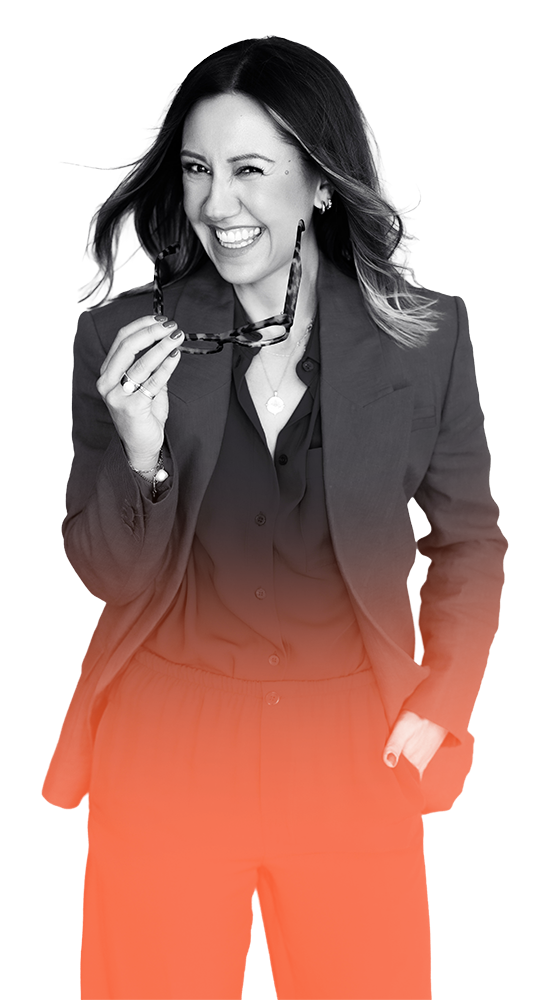
Strategic facilitation for consequential work.
When the issue is too important for another meeting, Kate helps teams work through complexity, surface what is getting in the way, make the choices that matter and leave with a direction they can carry forward.
Executive and leadership teams · offsites · team effectiveness · decision sessions · cross functional work
When the room has to change what happens next.
Some rooms carry more than an agenda.
Kate works with both the issue on the table and what is happening around it; helping teams surface what matters, work through competing perspectives and make choices that can survive beyond the room.
The conversation earns its value in what becomes possible afterwards.
“Kate has a gift for making complex ideas feel actionable and empowering.”
Sister Works - Danielle Mannens
What does the room need to make possible?
Strategic Choices & Trade Offs
For rooms where consequential choices about priorities, direction or what gives, need to be worked through together.
Kate works with leadership teams when an important issue needs to become clear enough to act on. The work may include executive and board offsites, leadership days, decision sessions, cross functional conversations or facilitated work around a live organisational challenge.
The aim: choices clear enough to act on, with ownership and next moves that remain clear beyond the room..
Strategy, Change & Execution
For rooms where the situation has moved and the team needs to work out what should remain, what now needs to change and what happens next.
Kate helps teams see the situation they are actually in, surface assumptions that may no longer hold, find the problem worth solving and work out the next useful move before the whole path is clear.
The aim: direction that reflects the situation now, rather than the situation the plan was built for.
Leadership Team Effectiveness
For rooms where the quality of the work depends on how well the people in it challenge, decide and work together.
Strong individuals do not automatically produce a team that can do difficult work well together.
Kate works with the live dynamics affecting the room: how challenge is handled, where expectations differ, what people are assuming about one another, how decisions are being made, what remains difficult to say and how the team behaves when the work becomes consequential.
The aim: a leadership team better able to challenge, decide and follow through together when it matters.
The work happens in the room.
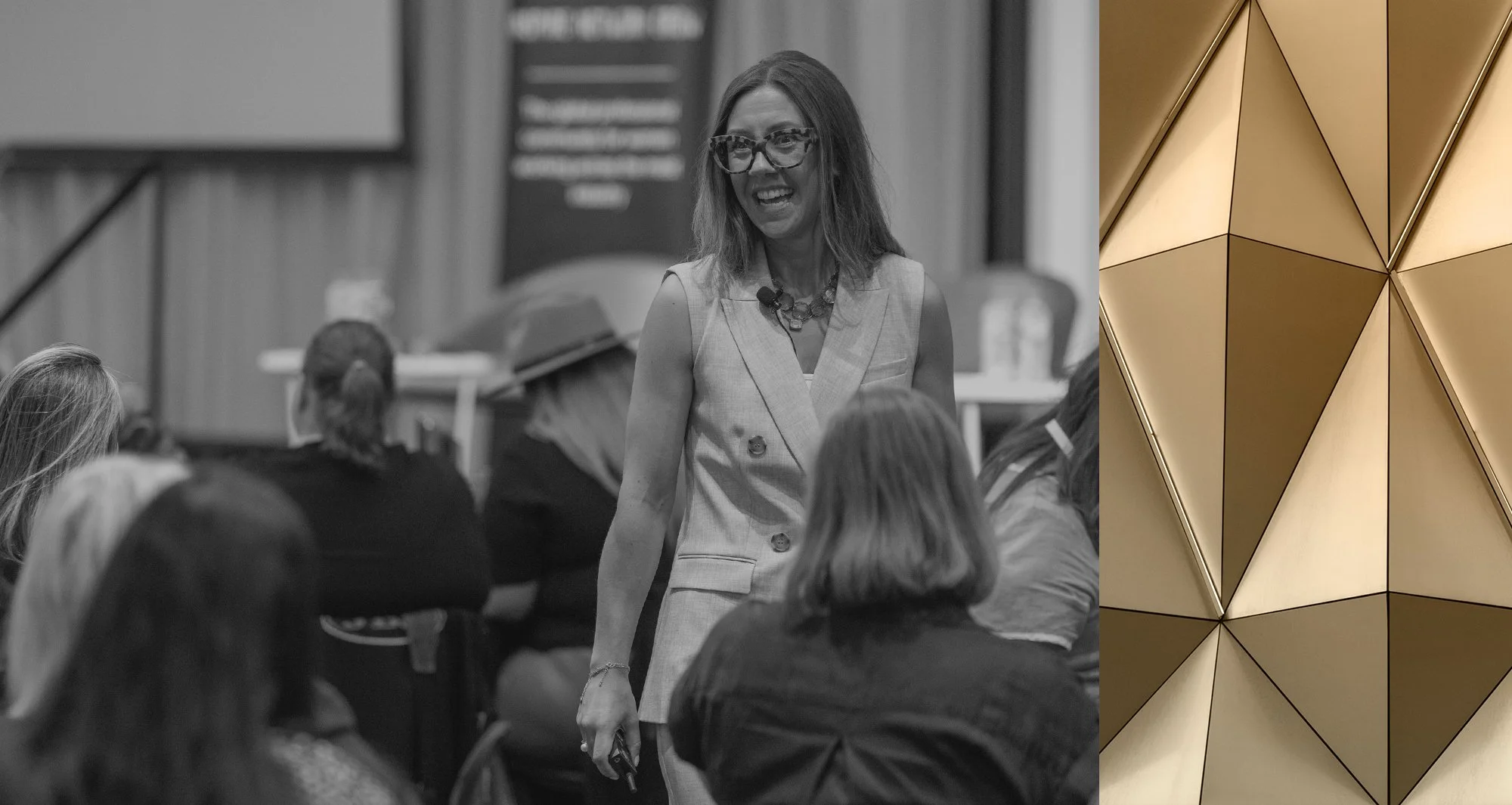
Kate facilitates from within the conversation.
She works with the substance of the issue and the dynamics forming around it: what is being said, what is being avoided, where people are carrying different meanings, which trade offs have not been made explicit and what the team needs in order to move.
That may mean staying with an issue longer than planned because something important has surfaced. It may mean reframing the question, testing an assumption, making disagreement usable or helping the room distinguish apparent agreement from an actual choice.
The process is structured, but not scripted.
The aim is to help the team get further on something that matters.
“The session was not only insightful but deeply impactful.”
Commonwealth Bank - Laura Henley
Built around what the room needs to produce.
An engagement may begin with a single consequential session or involve work before and after the room itself.
A leadership offsite may need interviews beforehand so the real tensions are on the table rather than merely the agenda.
A decision session may need enough preparation to make the trade offs visible.
A team effectiveness engagement may need several conversations so the team can test different ways of working in practice.
Strategy and change sessions may involve returning to what reality reveals after the first decisions are made.
Kate can work with you to determine what the room needs, what preparation will make the time worthwhile and what should continue afterwards.
Typical work includes: executive and leadership offsites · facilitated decision or problem solving sessions · team ways of working sessions · direction through change
“Kate created strong engagement, distilled a lot of discussion into clear insights and helped shape a really practical path forward.”Leader, Gilbert + Tobin
Facilitation should leave more behind than a good session.
A successful room does more than produce an enjoyable conversation or a fresh list of actions.
The choices need to remain clear when people return to ordinary work. Different parts of the team need to carry enough shared meaning for the decision to survive in what happens next. What the session reveals should improve how the team approaches the next decision, not disappear with the butcher's paper.
The return is decided by what happens after the room.
Trusted in consequential environments:

Built on Opportunity Architecture™
Created is only the beginning.
Opportunity Architecture™ is the discipline behind Kate's work. It provides a way to see what is happening after valuable work has been created and why some decisions, ideas and capabilities travel further than others.
For strategic facilitation, three questions are particularly useful:
Move
Can what matters get into what happens next?
Multiply
Can what the room creates continue to produce value beyond this moment?
Matter
What is reality telling us and what should that change next?
Meet Kate
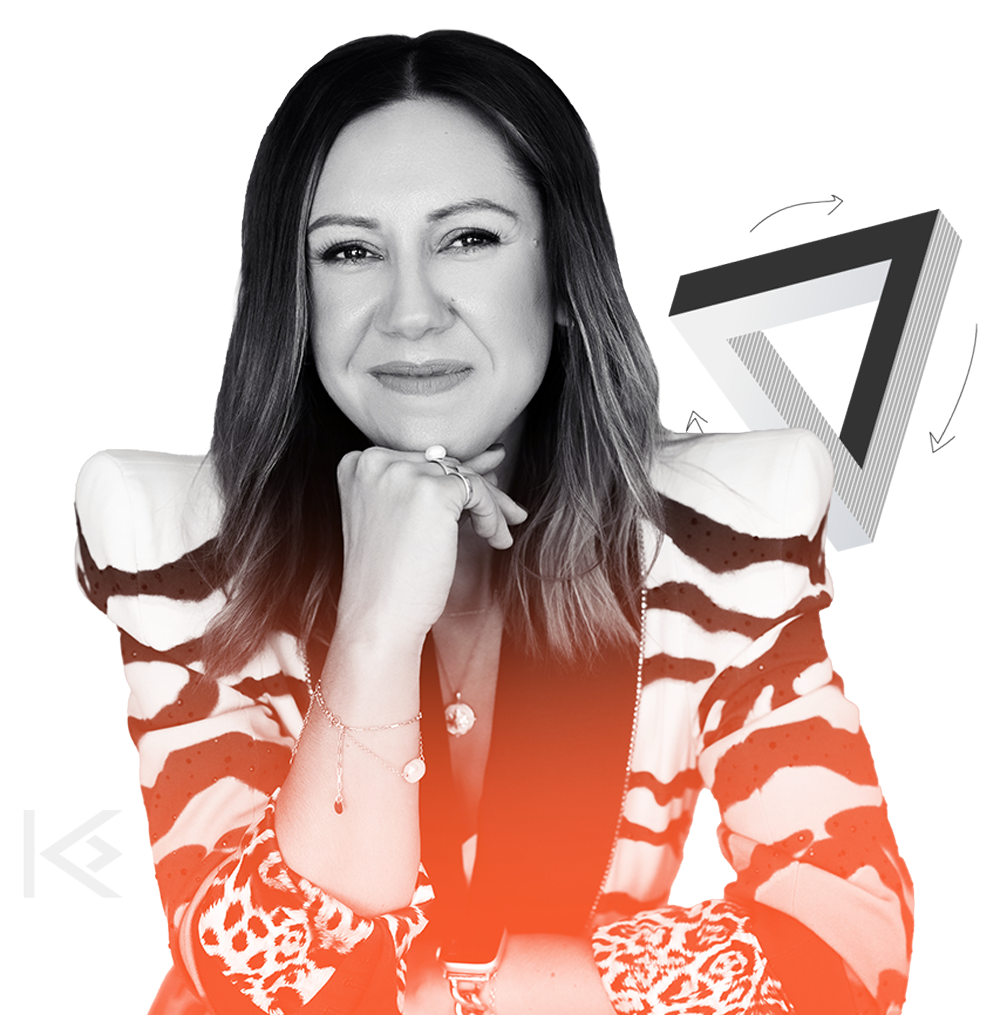
Kate Dillon CSP is a strategist, facilitator, keynote speaker and creator of Opportunity Architecture™.
Her work has been shaped by two very different environments: large institutions, where judgement and decisions are tested through scrutiny and consequence; and entrepreneurship, where value has to survive contact with customers, markets and uncertainty.
That combination informs how Kate works in a room: commercially grounded, comfortable with complexity and interested in what will still work after the conversation ends.
She has worked with leaders and teams across organisations including Westpac, Mercer, Lendlease, Medtronic, Bega, Lovisa, Netwealth and Pitcher Partners.
Her facilitation is commercially grounded, comfortable with complexity and built around the work the room is actually there to do. The measure is what the team can understand, decide or do differently afterwards.

What does the room need to make possible?
If something consequential needs to be worked through, start with what is happening now and what you need the room to make possible. Kate can help design the conversation from there.
Not sure whether the issue needs facilitation, capability development or something else? Start with the problem. We can work out the format from there.